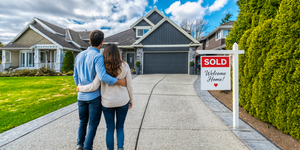
The short answer: listing photos are designed to show a home at its best, so they leave out important details like true room size, neighborhood noise, the condition of major systems, and how the layout actually feels. Smart buyers use photos to build a short list, then rely on in-person showings, different-time-of-day visits, and a professional inspection to make the real decision.
Almost every home search starts online. Photos are what make you stop scrolling, save a listing, and ask for a showing. That's exactly what they're built to do. The risk comes when photos become the main thing a buyer relies on, because a camera can only show so much. Here's what to look beyond.
1. Lighting and Angles Can Mislead
Real estate photography often uses wide-angle lenses, professional lighting, and editing to make a home look bright, open, and spacious. That's standard practice, and it isn't dishonest, but it does mean the home you see on screen can feel noticeably different in person.
Why it matters: A room that looks large in a photo may feel tight once furniture is in it, and a space that looks sunny may be dim at certain times of day. Seeing it in person is the only way to know.
2. Photos Can't Show the Neighborhood
A listing photo shows the inside of a home and maybe the front yard. It doesn't show the traffic on the next street, the noise from a nearby road, the distance to the grocery store, or how the neighbors keep up their properties.
Why it matters: You're not just buying a house, you're buying the surroundings. Driving through at different times, such as a weekday morning, an evening, and a weekend, gives you a real feel for daily life there.
3. Condition Hides in the Details
Staged and edited photos rarely show wear and tear. Aging roofs, older HVAC systems, water stains, outdated electrical, worn flooring, and signs of deferred maintenance often don't show up in a listing gallery.
Why it matters: These issues can translate into major repair costs after closing. This is exactly why a professional home inspection is so valuable, and why it's worth paying attention to details during a showing, like ceiling corners, basement walls, and the age of major systems.
4. Layout and Flow Don't Translate
Photos show individual rooms, but they don't show how a home actually works as you move through it. A kitchen might look beautiful but sit awkwardly far from the dining area. A bedroom may look fine in a photo but share a wall with a noisy living space.
Why it matters: Daily life happens in the flow between rooms. Walking through a home helps you picture your own routines, from where the groceries come in to how far the bedrooms are from the living areas.
5. Smell, Sound, and Feel Matter
Some of the most important impressions of a home can't be photographed at all. Musty smells, noise from outside, how warm or cool a room feels, and even how a home "feels" when you step inside all play a big role in whether it's right for you.
Why it matters: These are details you'll notice within seconds of walking in. They're also the kind of details that are hard to ignore once you live there.
How to Look Beyond the Photos
Use photos to build a short list, not to make the final decision.
Tour in person before getting attached to a home.
Visit at different times of day to see lighting, noise, and traffic.
Look closely at major systems and signs of wear during the showing.
Get a professional inspection before finalizing a purchase.
Ask your agent what the photos might not be showing.
Frequently Asked Questions
Are listing photos misleading?
Not necessarily. They're professionally taken to highlight a home's best features, but they naturally leave out less flattering details, so they shouldn't be the only thing you rely on.
Is it okay to skip a showing if the photos look great?
It's generally not recommended. A showing lets you check lighting, layout, noise, condition, and neighborhood feel in ways photos can't.
What should I look for during a showing that photos don't show?
Pay attention to smells, noise levels, the condition of the roof, HVAC, and flooring, water stains, natural light, and how the layout feels as you move through it.
Why is a home inspection still important if the home looks great?
An inspection checks the systems and structure that photos and showings can't fully reveal, which helps you avoid expensive surprises after closing.
The Bottom Line
Photos are an excellent starting point for a home search, but they're not the full story. The buyers who feel confident at closing are usually the ones who looked beyond the gallery, toured in person, visited at different times, and relied on a professional inspection to fill in the rest.
If you'd like help evaluating a home beyond what the listing shows, I'd love to walk through it with you.
Reach out anytime. Let's see the full picture together.