Buyers: Don't Forget About the Neighborhood at Night
By Juan Munoz, Denver Realtor | November 2026
You've found a house you love in Denver, Colorado.
The kitchen looks beautiful. The floor plan fits your needs. The backyard is exactly what you imagined.
You schedule a showing, walk through the property, and everything feels right.
But here's a question worth asking before making an offer:
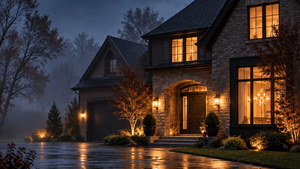
Have you seen the neighborhood at night?
A neighborhood can feel very different at 7 PM on a Friday than it does at 11 AM on a Tuesday.
Traffic patterns change. Restaurants and businesses become busier. Street parking fills up. Lighting conditions become more noticeable.
None of those things automatically makes a neighborhood better or worse.
What matters is whether the environment fits your daily routine and personal preferences.
If you're planning to buy a home in Denver, here's why visiting the neighborhood after dark should be part of your homebuying checklist.
1. Pay Attention to Noise Levels
One of the biggest differences between daytime and nighttime living is the surrounding noise.
During a daytime showing, a residential street may feel relatively quiet.
But in the evening, you may notice activity from nearby restaurants, traffic, entertainment venues, or neighboring properties.
For example, a home near Denver's LoHi or RiNo dining and entertainment corridors may experience different evening activity than a property on a residential side street.
Even two homes only a few blocks apart can have noticeably different sound environments.
What should you check?
Spend time outside the property during an ordinary weekday evening and, if practical, a weekend evening.
Listen for traffic, commercial activity, nearby mechanical equipment, and other recurring sounds.
Also consider how much noise you can hear from the home's outdoor areas.
My Denver homebuying tip: Don't assume that a neighborhood's daytime atmosphere represents what you'll experience every evening.
2. Observe Street Lighting and Visibility
Lighting affects how convenient and comfortable an area feels after sunset.
During daylight hours, you may not notice whether sidewalks, intersections, building entrances, and parking areas are adequately illuminated.
An evening visit gives you a chance to observe these details.
Ask yourself:
Are the sidewalks and crossings easy to see?
Is there lighting near the driveway or garage?
Can you clearly identify street signs and building addresses?
How visible is the route between parking and the front entrance?
Would additional exterior lighting be useful?
You should also evaluate the property's own lighting, including porch fixtures, garage lights, and backyard illumination.
The goal is to understand the actual lighting conditions rather than make assumptions about the people living nearby.
3. Check What Parking Looks Like in the Evening
Parking can be an important consideration, particularly in neighborhoods with restaurants, mixed-use developments, apartments, or limited driveway space.
A street that offers convenient parking during the afternoon might have fewer available spaces after residents return home.
If you're considering a townhome or condo, verify whether dedicated parking is included.
Don't rely solely on what appears available during your showing.
Consider:
Assigned garage or parking spaces
Guest parking availability
Street parking restrictions
Permit requirements
Parking distance from the entrance
Snow removal responsibilities during winter
Denver buyer tip: Ask for the HOA documents and property-specific parking information when applicable. A convenient parking arrangement can make a meaningful difference in your everyday routine.
4. Experience Evening Traffic and Commuting Conditions
A neighborhood's location may look ideal on a map, but your actual commute depends on when and where you travel.
If you regularly return home during evening rush hour, visit the property around that time.
Observe major intersections, nearby roads, access points, and turning movements.
For Denver-area buyers, the experience can vary depending on proximity to corridors such as I-25, I-70, US 36, or major local streets.
If you use public transportation, review the actual evening bus or rail schedule rather than assuming daytime service continues at the same frequency.
Consider testing your commute at the times you would normally travel.
My recommendation: Don't judge convenience using only the distance between two locations. Evaluate the journey during your normal schedule.
5. See What Nearby Businesses Are Like After Dark
Living near restaurants, cafés, shops, and entertainment venues can be a major advantage.
However, those businesses may operate differently throughout the day.
An area that's quiet during a weekday afternoon may become an active destination on weekend evenings.
For buyers considering neighborhoods such as LoHi, RiNo, or other mixed-use Denver areas, it's worth observing the evening environment.
Look at business hours, customer traffic, loading areas, outdoor seating, and nearby parking activity.
You may love having restaurants and entertainment nearby.
Or you may decide that you'd prefer a home slightly farther from the busiest corridors.
The important question isn't whether the area is lively. It's whether that level of activity fits your lifestyle.
6. Evaluate Walkability During the Hours You'll Use It
Walkability is often an important factor for buyers relocating to Denver.
But being close to a restaurant, transit stop, or grocery store doesn't automatically mean the route will feel equally convenient at all hours.
An evening visit helps you evaluate:
Sidewalk condition
Crosswalk visibility
Traffic at intersections
Lighting along frequently used routes
Walking distance to your preferred destinations
Winter accessibility considerations
Consider the actual routes you would take between home, parking, transit, and nearby services.
A neighborhood may meet your needs perfectly during the day but require different transportation arrangements in the evening.
7. Pay Attention to the Property Itself at Night
Neighborhood research shouldn't stop at the street.
If you have an opportunity to evaluate the property during an evening showing, consider its lighting, privacy, and indoor comfort.
You may notice how headlights from nearby roads affect certain windows, how exterior lighting reaches the yard, or whether nearby commercial activity is audible indoors.
Additional items worth evaluating include outdoor privacy, bedroom noise, driveway visibility, and entryway lighting.
These details may not appear in listing photographs.
They can also be difficult to evaluate during a daytime tour.
My advice: Compare the actual conditions you observe with the lifestyle you want, rather than assuming every home will feel the same after sunset.
8. Visit More Than Once Before Making a Decision
A single visit provides only a snapshot.
If timing allows, I recommend visiting a prospective neighborhood at several different times.
Weekday Morning
Observe commuting patterns, road access, and typical morning activity.
Weekday Evening
Evaluate street parking, lighting, traffic, and the atmosphere after work.
Weekend Evening
Observe restaurants, entertainment activity, parking, and the overall pace of the area.
Weekend Morning
See what the neighborhood feels like during a slower part of the week.
These observations can help you understand how the location functions across your regular schedule.
Remember that special events, weather, and seasonal conditions can also affect what you experience.
9. Research Neighborhood Information Using Reliable Sources
Personal observation is helpful, but it should be combined with objective information.
When evaluating Denver neighborhoods, review official city resources, transit schedules, maps, and relevant property documentation.
For example, the City and County of Denver maintains information about noise regulations and related complaints.
The Regional Transportation District (RTD) provides bus and rail schedules that can help buyers evaluate evening transportation options.
If you have questions about reported incidents or neighborhood conditions, consult appropriate public records and official sources rather than relying on rumors or generalizations.
Denver homebuyer tip: Evaluate each property using consistent criteria based on your needs, rather than broad labels about whether a neighborhood is good or bad.
10. Choose a Neighborhood That Fits Your Real Life
It's easy to focus on interior features when buying a home.
A renovated kitchen, spacious primary suite, or beautiful backyard may capture your attention immediately.
But your experience of owning that property extends beyond its walls.
You'll also be living with the surrounding traffic patterns, parking arrangements, transportation options, amenities, and daily activity.
Whether you're comparing homes in Denver, Arvada, Westminster, Thornton, Littleton, or Centennial, the same principle applies.
The right home should work for your daily life, not just look good during a showing.
Frequently Asked Questions About Evaluating a Neighborhood
Should I visit a neighborhood at night before buying a house?
Yes, when practical. Visiting after dark can help you evaluate lighting, traffic, noise, parking, and the general level of activity during the hours you're likely to be home.
What should I check in a Denver neighborhood before buying?
Evaluate commuting, nearby amenities, property condition, total ownership costs, parking, transportation options, and neighborhood activity at different times.
Is it better to tour a home during the day or evening?
Both can provide useful information. Daylight helps you assess exterior condition and natural lighting, while an evening visit may reveal different traffic, parking, and noise conditions.
How can I research neighborhood noise in Denver?
Start with an in-person visit and review the City and County of Denver's official noise information. If you have a property-specific concern, investigate its source and applicable regulations.
Does street parking change at night?
It can. Parking availability may change when residents return home or nearby businesses become busier. Check parking restrictions, assigned spaces, and the actual evening conditions near the property.
Should I visit a neighborhood more than once?
When possible, yes. Multiple visits during weekdays and weekends provide a more complete picture than a single showing.
Final Thoughts: The Neighborhood Matters After Sunset, Too
Buying a home involves more than choosing the right floor plan and purchase price.
It also means choosing a location that fits how you live.
A daytime showing can reveal a home's layout, finishes, and visible condition.
But an evening visit may reveal practical details about parking, noise, lighting, and daily convenience that deserve equal attention.
Before you fall in love with the house, make sure you've spent time getting to know the neighborhood.
Looking for the Right Home and Neighborhood in Denver?
I'm Juan Munoz, a Denver Realtor and former NASA engineer.
I help buyers compare properties, evaluate local information, and make thoughtful decisions based on their individual priorities.
Whether you're relocating to Colorado, buying your first home, or exploring a different Denver neighborhood, let's create a home search strategy that reflects how you actually live.
Message me "NEIGHBORHOOD" and let's explore your options.
Juan Munoz, Realtor | NASA Engineer turned Realtor
NOW Properties, powered by Premiere | Real Broker, LLC DBA REAL
Call or text: 720-926-0204
Email: juan@homesindenvernow.com
Search homes: https://search.homesindenvernow.com/
Website: https://www.homesindenvernow.com/
Neighborhood conditions can change throughout the day and across seasons. Buyers should verify property details, local regulations, and other information relevant to their decision.